

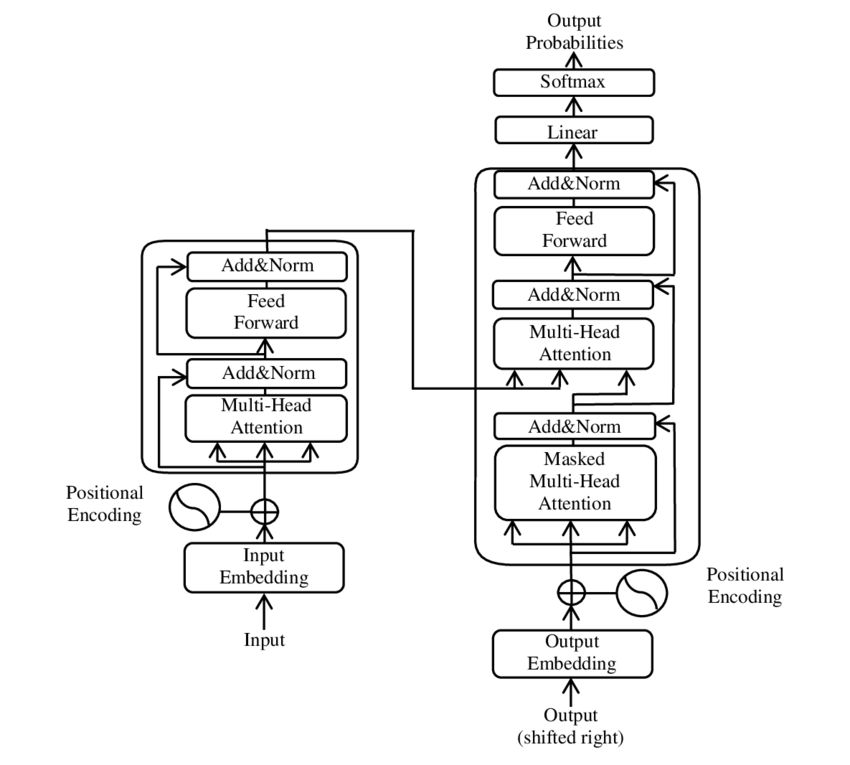

NVIDIA has detailed a new approach to sparse attention designed to address the scaling limitations of transformer models during long-context inference. As AI applications increasingly require context windows exceeding 128,000 tokens for tasks like multi-document analysis and long-form coding, the traditional dense attention mechanism becomes a primary performance bottleneck. Dense attention requires scoring every query against every key, causing computational costs to grow quadratically with sequence length.
The researchers propose a co-design strategy that integrates software-level sparse attention patterns with optimized hardware execution. By focusing computation on the most relevant token relationships rather than exhaustive scoring, the system can significantly reduce the time required for the prefill stage of inference. This efficiency is critical for maintaining performance in agentic workloads and large-scale document processing, where processing speed and cost-effectiveness are essential for production-grade AI systems.